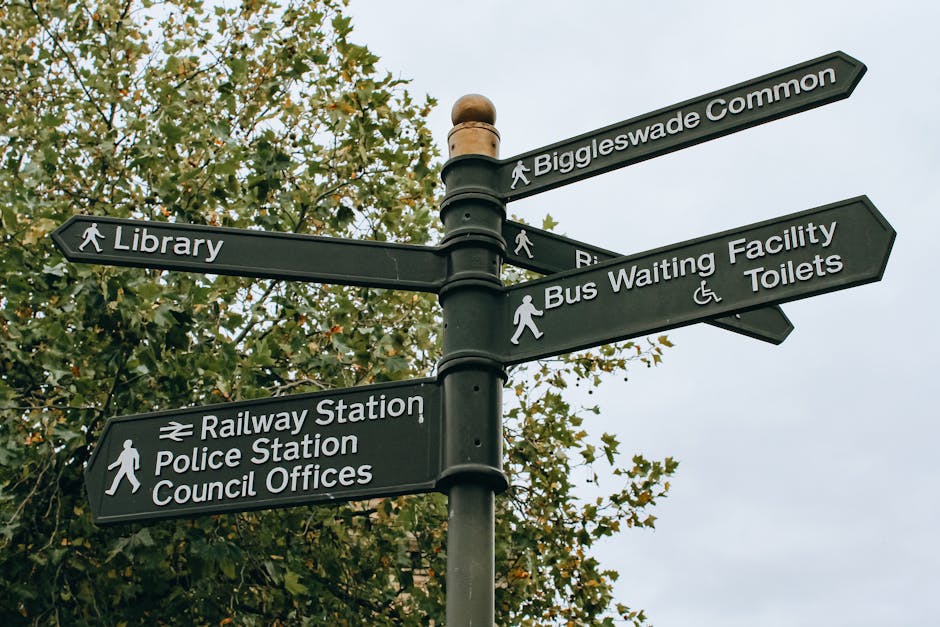
Ealing Common removals and access tips for busy streets
If you are planning a move around Ealing Common, the job is rarely just about boxes and a van. It is about timing, street width, parking pressure, pedestrians, school runs, buses, and the simple fact that some roads feel busy from the moment the kettle goes on. Ealing Common removals and access tips for busy streets matter because a well-planned move can save you stress, delays, and a lot of unnecessary lifting. In this guide, you will find practical ways to handle access on tight or congested streets, how to choose the right moving approach, and what to do before the team arrives so the day runs as smoothly as possible.
To be fair, most moving problems in this part of West London are predictable. The good news? Predictable problems are the easiest ones to manage.
Why Ealing Common removals and access tips for busy streets Matters
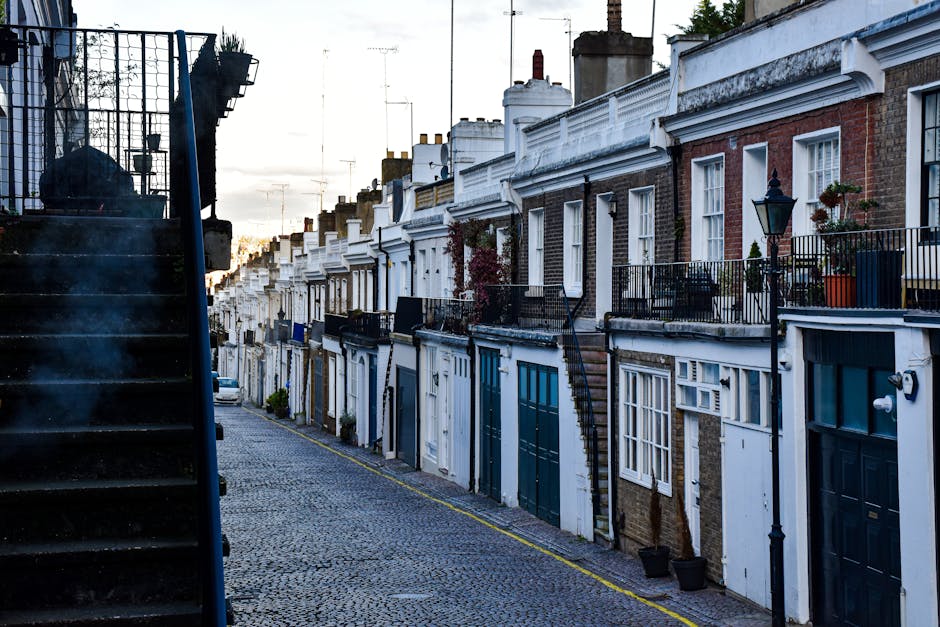
Ealing Common sits in an area where moving vehicles often have to share space with everyday traffic, on-street parking, cyclists, and people walking to and from local amenities. That sounds ordinary, and in one sense it is. But on moving day, ordinary street conditions can quickly become a problem if nobody has thought about access.
The main issue is not usually distance. It is friction. A van may arrive on time, but if it cannot stop close to the entrance, the move instantly becomes slower. Every extra metre matters when you are carrying wardrobes, sofas, office chairs, or fragile boxes that should really not be bounced along the pavement at 8:30 in the morning.
Busy streets also affect the mood of the move. Drivers may need to wait. Doors may need to stay open only briefly. Neighbours may be coming and going. If your building shares access with other homes, flats, or businesses, a small delay can ripple through the whole job.
That is why access planning is not a minor detail. It shapes the whole experience. A good removals plan keeps lift times short, protects items from damage, and reduces the chance of awkward last-minute improvisation. And let's face it, improvisation is rarely charming when a mattress is halfway out of a doorway.
Expert takeaway: on a busy Ealing Common street, the best move is usually the one where the vehicle, the loading point, and the packing plan all line up before the first box is touched.
How Ealing Common removals and access tips for busy streets Works
Good access planning starts before moving day. The moving team needs a clear picture of what the street is like, where the vehicle can pause safely, and how far the carrying route runs from the property to the van. In some homes, the path is simple. In others, you may have a narrow front garden gate, a shared entrance, a basement level, or a road that gets clogged at peak times.
Here is the basic process most well-organised moves follow:
- Assess the street - look at traffic flow, parking restrictions, loading possibilities, and any obvious pinch points.
- Confirm the property access - stairs, lifts, narrow halls, intercoms, and entry times all matter.
- Match the vehicle to the route - a smaller vehicle or a more flexible loading plan may be better than forcing a large truck into a poor setup.
- Pack with access in mind - heavy or awkward items should be ready first, not buried behind dozens of loose boxes.
- Build in a buffer - a little extra time is usually worth it in a busy area.
When people ask what "good removals access" really means, the answer is simple: the move should avoid bottlenecks. That might mean parking a little farther away and using a smarter carrying route. Or it might mean choosing a man and van service for a lighter load where agility matters more than sheer capacity.
For larger homes or more complex properties, a bigger vehicle may still be the right answer, especially if you have many items and need fewer trips. In that case, a removal truck hire option can make sense, provided the access plan is realistic.
There is a small but important point here: access is not only about the van reaching your door. It is about the whole chain of movement, from room to hallway to pavement to vehicle. Miss one link, and the day gets sticky fast.
Key Benefits and Practical Advantages
Thinking about access early can sound like extra admin. In practice, it is one of the easiest ways to make a move less stressful. The benefits are not abstract; you feel them on the day.
- Faster loading and unloading: less waiting and fewer wasted steps.
- Lower risk of damage: furniture is carried more safely when routes are planned.
- Less pressure on the team: moving crews work better when they are not dodging traffic or second-guessing where to park.
- Better use of time: a smooth access plan can save an entire afternoon of frustration.
- Less disruption to neighbours: short, tidy loading periods are simply easier for everyone.
There is another advantage people often overlook. Good access planning helps you decide whether you need a full-service move or a simpler support service. If you are moving a flat with a modest amount of furniture, a flexible approach such as man with van support may be ideal. If you are moving a family home with a lot of pieces and delicate items, you may want something more structured, such as house removalists.
For office or commercial moves, access benefits can be even bigger. The fewer delays around loading bays, entrances, or busy frontage areas, the less downtime for staff. That is why many businesses look at commercial moves and office relocation services as part of a wider continuity plan, not just a transport job.
Who This Is For and When It Makes Sense
This topic is relevant to more people than you might think. If you are moving in or out of Ealing Common, the chances are you will need at least some level of access planning. The more congested the street, the more important it becomes.
Home movers
If you are relocating from a terraced house, a flat, or a maisonette, the basics matter: door width, stair turns, parking distance, and timing. Families often need more coordination because there are more items, more people, and more moving parts. A service like home moves can be a helpful fit when you want a more organised, residential approach.
Landlords and tenants
Tenants often have a hard deadline. You may be dealing with an end-of-tenancy check-out, keys to hand back, and a moving slot that cannot be moved, no matter how much you wish it could. In those cases, access planning is about reducing the chance of a late finish. Simple, but crucial.
Businesses and offices
Office moves bring their own headache. Desks, monitors, IT kit, archive boxes, and chairs all seem manageable until you have to move them through a narrow entrance while other people are trying to get to work. That is where office relocation services can help by adding structure to the process.
People clearing or collecting items
Sometimes you are not moving a whole household. Maybe you are clearing a few bulky items, picking up a sofa, or shifting furniture after a refurbishment. In those cases, a focused service such as furniture pick-up can be more practical than booking a large-scale move.
If your load is small, your building access is straightforward, and the street can be managed with a short stop, a leaner solution often makes the most sense. If not, a bigger and more carefully scheduled move may be the calmer choice. Truth be told, the wrong vehicle is often more expensive than the right one.
Step-by-Step Guidance
If you want the day to go smoothly, work through the move in stages. This is the part where a bit of discipline pays off. Not glamorous, but very effective.
- Walk the route from front door to van space. Measure it in your head if needed. Note steps, tight corners, low ceilings, and anything that could slow carrying.
- Check parking reality, not parking fantasy. Is there a genuine place to stop? Is it likely to be occupied? Would a slightly different time make access easier?
- Separate heavy items early. Fridges, wardrobes, sofas, and large boxes should not be left until the last minute.
- Label by room and priority. That sounds basic, and it is, but basic things done well make the whole day calmer.
- Protect access points. Door frames, bannisters, and corners often get knocked if people are rushing. Blankets, wraps, or simple padding can help.
- Prepare documents, keys, and contact numbers. If someone needs to open a gate, lift, or rear entrance, have that sorted before the van arrives.
- Allow for street conditions. A road that feels quiet at 10 a.m. may be very different at school-run time or later in the afternoon.
- Keep one clear staging area. Boxes stacked neatly near the exit are easier to load than random clutter spread across the hallway.
If you are booking a larger vehicle, it helps to be specific about the access route so the load plan is realistic. If you need a dedicated vehicle for bigger items, moving truck support may be worth considering. And if the move is mostly about transport plus some hands-on help, the simpler man and van option may fit better.
One practical tip from experience: the best-manned moves are the ones where nobody has to ask "where does this go?" fifty times. A little label on a box saves a surprising amount of faff.
Expert Tips for Better Results
Here is where a few small adjustments can make a big difference. These are the kinds of things that do not sound dramatic, but they quietly save time and nerves.
- Choose the calmest loading window you can. Early morning can help, but not always. Sometimes a slightly later slot is better if it avoids the worst local traffic.
- Keep the heaviest items closest to the exit. It avoids unnecessary handling and reduces the chance of damage.
- Use short carrying routes if at all possible. Even five or ten extra metres can feel longer when you are on your fifth trip with a chest of drawers.
- Measure awkward furniture before moving day. If a sofa needs a careful angle to leave the property, that is useful to know in advance.
- Ask about crew size, not just vehicle size. In a busy street, more hands can be more useful than a bigger truck.
- Leave a little breathing room around entryways. Crowded hallways make everything slower and less safe.
- Be honest about the load. Understating the amount of stuff is a classic mistake. It feels harmless until the van is full and the clock is not.
If you are handling office furniture or multiple deliveries, consider whether packing and unpacking services could reduce the pressure on the main move. They are especially useful when the packing phase is the real bottleneck, not the transport itself.
A slightly humorous truth: most moving-day disasters start with the sentence "it'll be fine, it's only a few minutes." Sometimes yes. Often no.
Common Mistakes to Avoid
Busy streets expose planning mistakes very quickly. The good news is that most of them are avoidable.
1. Assuming parking will sort itself out
It rarely does. Even if there is space when you first look, it may not be there later. Access planning should assume competition for kerb space, not perfect conditions.
2. Booking the wrong type of move
A tiny job does not need the same setup as a full household relocation. Likewise, a full house move should not be squeezed into a vehicle that is too small just to save a bit upfront. That tends to cost more in time and stress.
3. Packing without a loading order
If the most urgent or heaviest items are buried behind light clutter, you create a bottleneck immediately. Pack with the van in mind, not just the room shelves.
4. Forgetting the building access details
Shared entrances, entry codes, lift rules, or timed access windows can slow a move down. Simple oversight, big impact.
5. Ignoring weather and time of day
Rain, glare, and slippery steps all affect handling. So does school traffic, commute timing, and the general rhythm of a London neighbourhood.
6. Leaving disposal or clearance to the end
If you have bulky items to remove, deal with them as part of the plan rather than as an afterthought. A service such as furniture pick-up can help keep the move tidy and avoid clutter building up around the entrance.
Let's face it, one badly placed box in a hallway can become the thing everyone trips over. It is always the same box. Somehow.
Tools, Resources and Recommendations
You do not need a complicated toolkit to improve access on moving day. A few simple items and habits do most of the work.
- Measuring tape: useful for doorways, furniture, and narrow turning points.
- Labels and marker pens: room names, fragility notes, and priority markings make unpacking easier.
- Protective wraps or blankets: especially helpful for wood furniture, glass, and corners.
- Strong tape and bags: for securing small items that might otherwise scatter.
- Phone notes or a printed move plan: handy if several people are involved.
- Spare keys and access codes: saves awkward delays at the threshold.
For larger or more complex jobs, the right service can be the most useful "tool" of all. A well-matched moving team, such as house removalists, can manage the loading order, protect furniture, and keep the street operation efficient. If your move is smaller and more flexible, you may prefer a man with van arrangement instead.
If you want to understand the company background before booking, the about us page can help with context. And if you are ready to ask a question directly, the contact us page is the obvious next step.
Law, Compliance, Standards, or Best Practice
Moves around Ealing Common are not just about convenience. They also have to sit comfortably within normal UK street and building expectations. You do not need to become a legal expert, but you do need to respect the basics.
In practice, that means avoiding unsafe parking, not blocking junctions or driveways, and being careful around pedestrians and cyclists. On narrow streets, a move should be organised so that loading does not create unnecessary obstruction. Building rules may also apply, especially in flats and managed properties. Many buildings have preferred moving times, lift protection expectations, or requirements to book access in advance.
There is also a duty of common sense around manual handling. Heavy items should be moved with the right number of people, and awkward lifts should be assessed before anyone grabs an end and hopes for the best. That approach works in films, maybe. In real life, not so much.
Best practice is simple: keep routes clear, communicate the plan, use the right vehicle, and do not force a move to happen in a way that makes access worse for everyone else on the street. If you are not sure whether a setup is workable, it is better to ask early than to discover the problem at the kerb.
Options, Methods, or Comparison Table
Different move types suit different access conditions. Here is a simple comparison to help you think it through.
| Option | Best for | Strengths | Watch-outs |
|---|---|---|---|
| Man and van | Smaller loads, flexible routes, lighter access pressure | Easy to manoeuvre, often efficient in busy streets | May need more trips for larger homes |
| Man with van | Compact moves, mixed household items, simple loading plans | Practical and adaptable | Not always ideal for heavy or bulky whole-house moves |
| House removalists | Full house relocations, larger families, more furniture | Structured, organised, better for bigger volumes | Needs clearer access and more planning |
| Moving truck | Large loads and fewer trips | High capacity, useful for bigger inventories | Can be harder on tight or heavily parked streets |
| Removal truck hire | Moves where you need vehicle control and capacity | Flexible if you are coordinating your own timings | Still depends on realistic access and loading space |
The right choice is usually the one that matches your street, your volume, and your level of help. A big vehicle is not automatically better. In a crowded road, smaller and smarter can win.
Case Study or Real-World Example
Imagine a couple moving from a first-floor flat near Ealing Common. The street is busy most of the day, parking is tight, and the building has a narrow shared entrance. They have a sofa, a bed frame, several boxes of books, and a few fragile kitchen items. Nothing outrageous, but enough to create trouble if the plan is vague.
They start by checking the access route from the flat to the street. The sofa will need to turn awkwardly at the bottom of the stairs, so it is wrapped in advance. Boxes are grouped by room. Heavy items are kept nearest the door. Instead of choosing the largest vehicle they can find, they book a service that can work with the street layout and avoid trying to force a large truck into a space that was never going to suit it.
On the day, the team arrives slightly early, confirms the parking point, and begins with the largest furniture first. The route is short, the building entrance stays clear, and the move is finished without a crowd of frustrated neighbours trying to squeeze past. It is not magical. It is just organised.
That is the real lesson: when the access plan matches the street conditions, the move feels almost boring. And boring is brilliant on moving day.
Practical Checklist
Use this checklist a day or two before the move. It helps more than people expect.
- Confirm the moving time and access window.
- Check where the vehicle can stop safely.
- Measure any doors, stairs, or tight turns.
- Separate large furniture from the small-box load.
- Label boxes clearly by room.
- Protect fragile items with proper wrapping.
- Keep paths, halls, and entrances clear.
- Arrange keys, entry codes, and building instructions.
- Decide whether a smaller or larger vehicle is more suitable.
- Set aside essentials you will need first at the new place.
- Allow extra time for traffic or loading delays.
- Make sure any bulky item collection is booked separately if needed.
If you want a moving plan that fits the load and the street rather than fighting against both, that is usually where the stress drops away. A tidy checklist, a realistic vehicle choice, and a sensible schedule. Honestly, that combination does a lot of the heavy lifting.
Conclusion
Ealing Common removals and access tips for busy streets are really about one thing: making the move work with the area rather than against it. Once you think about parking, carrying distance, building access, and the flow of local traffic, most of the pressure starts to ease. You do not need a perfect street or a perfect day. You just need a plan that is grounded in reality.
Whether you are moving a flat, a family home, an office, or a few bulky items, the same rule applies: the best move is the one that reduces friction before anyone lifts a box. Plan early, choose the right level of help, and keep the route clear. Small decisions, but they add up.
Get a free quote today and see how much you can save.
And if today feels a bit overwhelming, that is normal. Sort the access, sort the load, then take it one step at a time. The rest tends to follow.
Frequently Asked Questions
What makes removals in Ealing Common different from other areas?
The main difference is access pressure. Busy streets, limited parking, and regular traffic can make loading slower unless the move is planned around the road conditions and property layout.
Is a smaller van better for busy streets?
Often, yes. A smaller vehicle can be easier to position, easier to manoeuvre, and less disruptive on a narrow or heavily parked road. That said, the right choice depends on your load size and the walking distance from the property.
How early should I plan parking for moving day?
As early as possible. Even if you cannot reserve a space, it helps to check likely stopping points in advance and decide what to do if the most obvious spot is unavailable.
What if my building has narrow stairs or a tight hallway?
Tell the moving team before the job begins. Narrow internal access affects how furniture is carried, whether items need dismantling, and how much protection is needed on walls and corners.
Can I use a man and van service for a flat move?
Yes, if the load is modest and the access route is manageable. It can be a practical choice for smaller flat moves, student moves, or lighter household loads.
When is a full removal service more suitable?
It makes more sense when you have a larger volume of furniture, more fragile items, or a move that needs a structured loading sequence. Bigger households often benefit from a more organised setup.
What should I do if the street is too busy for easy loading?
Build in extra time, use a realistic vehicle size, and keep the carrying route as short as possible. If needed, plan a different time of day when traffic and parking pressure are lower.
Should I dismantle furniture before the movers arrive?
If the item is awkward, bulky, or likely to block the hallway, yes, it can help a great deal. Dismantling can improve access and reduce the risk of damage on tight corners.
How do I avoid delays on moving day?
Have your boxes ready, label them clearly, confirm access details, and keep the route clear. Delays often come from small things: a missing key, a blocked hallway, or a parking spot that never quite works out.
Is it worth using packing help as well as transport?
For many people, yes. If you are short on time or juggling a busy schedule, packing support can reduce the pressure before moving day and make the actual access stage much easier.
What if I need to move one or two bulky items only?
Then a focused service can be the right fit. Something like furniture collection or a smaller vehicle arrangement is often more sensible than booking a full-scale move.
How do I know whether my move needs a truck or just a van?
Look at the total volume, the amount of furniture, and how easy it is to load from the property to the vehicle. If the access route is tight, a larger truck may not be the smartest option even if the load is substantial.