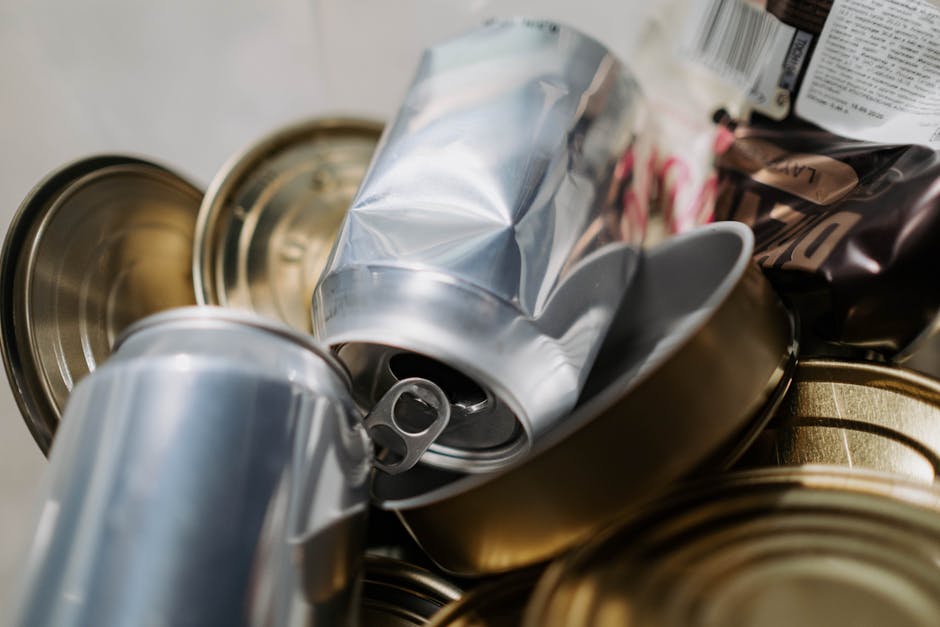
Disposing household waste under Ealing Council rules: a practical guide for Ealing homes
If you live in Ealing, household waste disposal can feel simple right up until it isn't. One week the bin collection runs like clockwork; the next, you've got a broken chair, a pile of packaging, a paint tin, and a question you didn't expect to be asking at 7:30 on a Tuesday morning: what actually counts as household waste under Ealing Council rules?
This guide explains the everyday reality of disposing household waste under Ealing Council rules, from what belongs in the normal bins to what needs a special collection, a trip to a reuse point, or a separate pickup. It also covers common mistakes, safer sorting habits, and the practical decisions people make when they're clearing a house, moving out, or just trying to avoid a missed collection. Truth be told, most problems start with one small item being put in the wrong place.
Whether you're sorting kitchen rubbish, dealing with bulky items, or trying to clear clutter before a move, the aim is the same: stay compliant, keep your property tidy, and avoid the annoying knock-on effects of contamination, missed bins, or a council warning. If your household waste is tied to a wider move, services such as home moves or man and van support can also make the process much less chaotic.
Table of Contents
- Why Disposing household waste under Ealing Council rules Matters
- How Disposing household waste under Ealing Council rules Works
- Key Benefits and Practical Advantages
- Who This Is For and When It Makes Sense
- Step-by-Step Guidance
- Expert Tips for Better Results
- Common Mistakes to Avoid
- Tools, Resources and Recommendations
- Law, Compliance, Standards, or Best Practice
- Options, Methods, or Comparison Table
- Case Study or Real-World Example
- Practical Checklist
- Conclusion
- Frequently Asked Questions
Why Disposing household waste under Ealing Council rules Matters
Getting household waste right is not just a tidy-house issue. It affects collection reliability, local street cleanliness, vermin control, recycling performance, and, to be fair, the overall feel of a neighbourhood. Overflowing bins and loose rubbish on pavements have a habit of attracting trouble. Wind, rain, foxes, and the occasional careless passer-by do the rest.
In practical terms, Ealing Council rules exist to separate ordinary domestic rubbish from items that need different handling. That includes recyclables, food waste, garden waste, bulky items, and hazardous materials. If you mix them incorrectly, the whole load can become a problem. One wrong item in the wrong bin can be enough to make a collection less useful than it should be.
It also matters during life changes. Moving home, clearing a rented property, dealing with a family house, or replacing old furniture all generate more waste than a normal week. That is where a little planning saves a lot of stress. Sometimes the difference between a calm move and a messy one is simply getting rid of the right things at the right time. If you are already arranging a move, services like house removalists or furniture pick up can help you handle bulky items without leaving them to become a last-minute headache.
Expert takeaway: The safest approach is to sort waste by type first, size second, and risk last. If an item is bulky, sharp, chemical, electrical, or questionable, stop and check before binning it.
How Disposing household waste under Ealing Council rules Works
At a basic level, the system is built around separation. Everyday household rubbish goes in the general waste bin. Recyclable materials go in the recycling containers. Food waste, garden waste, and bulky items usually need their own route, depending on what the council accepts and what service applies to your property.
The easiest way to think about it is this: the council wants the right material in the right stream. That means clean dry recycling where possible, food waste kept separate, and anything oversized or awkward managed in the way Ealing specifies. If you're not sure where something belongs, don't guess. Guessing is how bags end up ripped open and half a driveway gets filled with the wrong stuff. Not ideal.
For many households, the practical process looks like this:
- Identify the item or material.
- Separate reusable, recyclable, and general waste items.
- Check whether it is bulky, hazardous, or electrical.
- Use the correct bin, collection, or disposal route.
- Put it out in the right container, at the right time, in the right place.
That last step sounds obvious, but it is where many missed collections happen. A bin that is too heavy, contaminated, or put out incorrectly can be left behind. Sometimes it's as small as a lid that won't close. Sometimes it's a bag that's tied badly and spills in the rain. London weather has a way of making small mistakes obvious.
Key Benefits and Practical Advantages
Following the rules brings more than just compliance. It makes day-to-day household management easier. And when you're already juggling work, family, and the usual London pace, easier is no small thing.
- Cleaner collections: Well-sorted waste is less likely to be rejected or scattered.
- Less stress: You spend less time wondering where an item belongs.
- Lower contamination risk: Recycling stays useful instead of being spoiled by the wrong material.
- Better space management: Homes feel calmer when rubbish is dealt with promptly.
- Safer handling: Sharp, heavy, or hazardous items are less likely to cause accidents.
- More efficient moving and decluttering: Clearing waste properly before a move makes packing far smoother.
There is also a less visible benefit: you build a repeatable routine. Once you know what to do with everyday items, you stop accumulating "mystery stuff" in corners, cupboards, or the shed. That matters more than people think. Old paint tins, broken kettles, cardboard towers, and half-used bags of rubble can quietly become a lot of mental noise.
If you're getting a lot of belongings out of the house at once, packing support such as packing and unpacking services can pair well with a proper waste clear-out. It keeps the keepers separate from the throwaways, which sounds simple, but in real life that separation is a lifesaver.
Who This Is For and When It Makes Sense
This applies to almost every household in Ealing, but some situations especially benefit from a careful approach.
- Tenants preparing to move out: You may need to leave the property clear and avoid leaving waste behind.
- Homeowners decluttering: Loft, garage, shed, and spare-room clearances often reveal more waste than expected.
- Families replacing furniture or appliances: Large items do not fit neatly into normal collections.
- People managing bereavement or estate clearances: Sorting a whole property takes patience and structure.
- Anyone with mobility or time constraints: Carrying bags, separating recyclables, and arranging the right pickup can be physically tiring.
- Households with renovation leftovers: Broken fixtures, packaging, and debris need the right disposal route.
There are also commercial or mixed-use edge cases where household waste is not the whole story. For example, if a small office operates from home or you're shifting stock and domestic rubbish at the same time, it may make sense to think about the logistics as a move rather than a standard tidy-up. In those situations, commercial moves or office relocation services may be more useful than a basic household approach.
And yes, sometimes the waste situation is just a bit much. A half-assembled wardrobe in the hall, bin bags by the back gate, and packaging stacked like a cardboard monument. Happens more often than people admit.
Step-by-Step Guidance
If you want a straightforward way to stay on the right side of Ealing's household waste rules, use this process. It is simple, but it works.
1) Sort everything into clear categories
Start with four broad groups: general waste, recycling, food/garden waste, and bulky or special items. Do not move everything into one pile and hope to sort later. Later never comes, or if it does, it comes with confusion.
2) Separate reusable items first
Good-condition furniture, working appliances, books, toys, and household goods should be looked at before being treated as waste. Reuse is not only practical, it stops decent items from being thrown away too soon. If there are pieces of furniture you no longer need, a dedicated furniture pick up service can be a sensible option when council disposal is not the most practical route.
3) Check for electrical or hazardous items
Batteries, electronics, paint, chemicals, fluorescent tubes, and similar items should not be tossed into a normal bin. Even small amounts can create safety problems. A dead kettle is one thing. A leaking tin of solvent is quite another.
4) Flatten and package correctly
Cardboard should generally be flattened if it is being recycled, and loose packaging should be tied or contained so it does not blow away. Bags should be closed properly. No one enjoys chasing foam packing peanuts down the road. Not once, not ever.
5) Put items out in the right container and at the right time
Collections are far smoother when bins are presented correctly. Keep lids shut, avoid overfilling, and put items where crews can reach them safely. For bulky clear-outs, a vehicle-based solution such as man with van or moving truck support can help if there is too much to handle in one go.
6) Keep a note of what has been set aside
If you are clearing a property over several days, make a quick list. It sounds old-fashioned, but a pen-and-paper note on the fridge still does the job. It reduces repeat sorting and helps you avoid accidentally disposing of something important.
Expert Tips for Better Results
Here's the bit most people only learn after a few frustrating collections: waste disposal goes better when you plan for friction, not perfection. Life is messy. Bins are not magic.
- Keep a "maybe" box: If you are unsure whether something is rubbish or reusable, put it aside for a second review.
- Bundle by destination: Make one area for recycling, one for general waste, one for donations, and one for bulky items.
- Handle fragile waste early: Broken glass, ceramics, and sharp packaging should be secured before other rubbish starts moving around them.
- Think vertically in small spaces: In flats and narrow hallways, stacked waste can become a trip hazard very quickly.
- Use the move as a reset: If you're relocating, clear waste before packing. It saves boxes, time, and emotional energy.
One useful habit is to deal with "single-item clutter" the moment you spot it. The old lamp without a shade. The cable that charges nothing now. The box of spare screws from a flat-pack that no longer exists. These things gather in drawers and become oddly persuasive. In a week, they are junk. In a year, they are a collection.
If you are moving a larger volume of items, pairing sorting with removal truck hire can save multiple car journeys and reduce the chance of mixing waste with belongings. That is a small operational win, but a real one.
Common Mistakes to Avoid
Most waste problems in households are not dramatic. They're ordinary, repeated little errors. That's why they stick around.
- Putting the wrong material in recycling: Food residue, black sacks, and mixed materials can spoil a load.
- Leaving bins overfilled: Lids should close. If they can't, the waste may be left.
- Ignoring bulky items: Chairs, mattresses, and wardrobes need a plan, not optimism.
- Mixing hazardous waste with general rubbish: This can be unsafe and may breach disposal expectations.
- Leaving items on the pavement too early: It can create obstruction and attract littering problems.
- Assuming "someone will take it": That's how items get dumped at the side of the road, which is a whole other mess.
A small but common one: people forget that wet cardboard is not helpful cardboard. On a damp evening, a soggy box can collapse into a mess faster than you'd think. Best to keep an eye on timing if collections are due and the weather is turning.
Tools, Resources and Recommendations
You do not need a warehouse of equipment to handle household waste properly, but a few simple tools make life easier.
- Sturdy bin liners: Helps with secure handling of general waste.
- Reusable crates or boxes: Useful for sorting small items into categories.
- Marker pens and labels: Handy when multiple people in the home are involved.
- Gloves: Worth having for rough, sharp, or dusty items.
- Tape and scissors: Makes cardboard and packaging easier to manage.
- A simple checklist: Prevents accidental binning of keys, documents, chargers, and the occasional stray remote control.
For people facing a larger clear-out, especially around moving day, it can help to use a professional removal service that understands household logistics. Services like man and van are often useful for smaller loads, while a full home moves setup suits bigger relocations. If you're clearing space before the move, these can be combined with packing support to keep waste separate from valuables.
And if you're worried about trust, company information matters too. A proper move partner should have clear terms and a transparent process, which is why pages like about us, contact us, privacy policy, and terms and conditions are worth reviewing before you book anything. It's boring until it isn't.
Law, Compliance, Standards, or Best Practice
Household waste disposal in London is governed by local collection rules, environmental expectations, and broader UK waste principles. For everyday residents, the most useful rule is simple: use the correct disposal route for the type of waste you have. That means following local instructions on bin use, collection days, contamination, bulky waste, and any restrictions on special items.
Because council arrangements can change, it is wise to treat written guidance as the current reference point rather than relying on old habits. What was acceptable two years ago may not be the best approach now. This is especially true for recycling categories and collection schedules. Quietly checking before you put things out can save a lot of back-and-forth.
Best practice usually includes:
- keeping general waste and recycling separate
- not placing prohibited items in household bins
- presenting bins safely and accessibly
- avoiding loose rubbish on pavements or in shared areas
- using proper routes for bulky, electrical, or hazardous items
If you are a tenant, landlord, or property manager, there is also a practical responsibility to leave properties clear and avoid fly-tipping risks. In shared houses or managed buildings, coordination matters even more because one person's shortcut becomes everyone's problem. A bit unfair, but that is how shared spaces work.
Options, Methods, or Comparison Table
Different waste situations call for different methods. Here's a simple comparison to help you decide what makes sense.
| Method | Best for | Pros | Limitations |
|---|---|---|---|
| Regular household bins | Routine daily waste | Simple, familiar, low effort | Not suitable for bulky, hazardous, or oversized items |
| Recycling separation | Clean paper, cardboard, plastics, metals, and similar materials | Reduces landfill and keeps material useful | Contamination can reduce effectiveness |
| Bulky item disposal | Furniture, mattresses, large household objects | Handles items too large for bins | Needs planning and suitable collection or transport |
| Special handling routes | Batteries, paint, electricals, chemicals | Safer and more compliant | Requires checking item-specific instructions |
| Professional move support | Clearing waste during home moves or major declutters | Efficient, less lifting, fewer repeat trips | Costs more than handling everything yourself |
The right choice often comes down to scale. A couple of bin bags is one thing. A whole room of furniture is another. No shame in using a bigger solution when the job is bigger.
Case Study or Real-World Example
Imagine a typical Ealing flat move on a Friday evening. The tenant has a cracked desk chair, a broken table lamp, three bags of mixed rubbish, some cardboard boxes, and a wardrobe that will not fit through the stairwell in one piece. They also have a food waste caddy full of scraps from the last few days, because moving week is rarely tidy.
If they try to solve everything with one pile at the kerb, the result is usually stress. Instead, the better approach is to separate reusable items, flatten cardboard, keep recyclables clean, and plan the furniture removal as a distinct task. The smaller waste bags go through the normal route, while the bulky pieces are handled separately, maybe with a moving truck or a tailored pick-up. The room empties more quickly, the hallway stays usable, and the move feels less like a scramble.
What stands out in real life is not the grand organisation. It is the little decisions made early. One box labelled "keep," one labelled "dispose," one chair moved out before the bed frame arrives at the door. Small, practical, and strangely satisfying.
Practical Checklist
Use this simple checklist before you put household waste out or arrange collection:
- Have I separated general waste, recycling, food waste, and bulky items?
- Is anything reusable before I throw it away?
- Have I checked for electrical, battery, paint, or chemical items?
- Are boxes flattened and loose items contained?
- Do bin lids close properly?
- Is anything sharp wrapped or secured?
- Have I kept rubbish off pavements and shared paths?
- Do I need a special collection or a vehicle-based pickup?
- Have I removed any important documents, keys, or valuables from the pile?
- Am I following the latest local instructions rather than old habits?
That last one matters more than people expect. Rules drift. Collections change. A quick check beats a messy correction every time.
Conclusion
Disposing household waste under Ealing Council rules is not really about memorising endless instructions. It is about building a calm, sensible routine: sort first, separate risky items, use the correct bin or pickup, and avoid treating everything like ordinary rubbish. Once you start doing that, the process becomes much more manageable.
And when your waste situation is tied to a move, a declutter, or a big furniture clear-out, it often makes sense to combine careful sorting with practical transport help. That keeps the job moving and helps you avoid the kind of leftover mess that tends to linger for weeks. Nobody needs that.
Get a free quote today and see how much you can save.
Handled properly, waste disposal stops being a chore and becomes one less thing to think about. That's a good trade, especially in a busy Ealing week.
Frequently Asked Questions
What counts as household waste under Ealing Council rules?
Household waste generally covers the ordinary rubbish produced at home, along with the usual recycling streams and any council-approved collection categories. Items that are bulky, hazardous, or electrical usually need a different route.
Can I put all my rubbish into one black bag?
You should not treat everything as mixed general waste if some items belong in recycling, food waste, or a separate disposal stream. Sorting matters because mixed material can cause collection problems and contamination.
What should I do with old furniture?
Furniture is usually too bulky for standard bins, so it needs a separate pickup, reuse route, or another approved disposal method. If the item is still usable, consider reuse first. If not, arrange a suitable bulky-item solution.
How do I dispose of electrical items safely?
Electricals should not go into normal household waste. Keep them separate and use an appropriate collection or disposal route. Batteries should be removed where safe to do so and handled carefully.
Can I leave waste outside my home before collection day?
It is better not to leave waste out too early. Items left out for too long can cause obstruction, litter, or nuisance issues. Put bins and bags out according to the collection timing and local rules.
What happens if my bin is contaminated?
If the wrong material is mixed into the bin, the collection may be rejected or become less effective. In practice, that means more hassle for you and less useful recycling for everyone.
Is cardboard recyclable if it is wet or dirty?
Cardboard is best kept clean and dry. Wet or food-soiled cardboard can be less suitable for recycling, so it is worth storing it properly until collection.
Do I need to separate food waste from general rubbish?
Yes, food waste usually belongs in its own collection stream where available. Keeping it separate helps reduce smells, mess, and contamination in general waste.
What is the safest way to dispose of sharp or broken items?
Wrap or secure sharp pieces before handling them, and keep them separate from loose rubbish. Glass, metal edges, and broken ceramics can injure people if they are mixed into ordinary bags.
When does it make sense to use a removal service instead of binning everything myself?
If you have bulky items, a large clear-out, or a move in progress, a removal service can save time and reduce lifting. It is especially helpful when waste and furniture need to be moved in the same trip.
Can I mix reusable items with waste if I am short on time?
You can, but it is rarely the best choice. Even a quick extra sorting pass can save useful items from being thrown away. A small pause now often prevents regret later.
Who should I contact if I am unsure about a particular item?
If an item feels unusual, heavy, hazardous, or awkward, check the latest council guidance or speak with a disposal or removal professional before putting it out. Guessing is the part most likely to cause trouble.